


Survey finds premium winter tire drivers more confident in winter conditions

Goodyear finds younger drivers most likely to consider winter tire switch to unlock driving potential
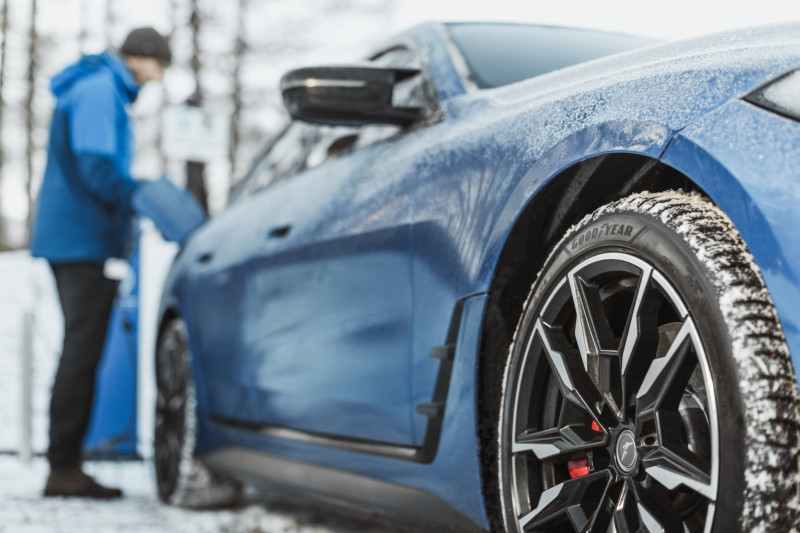
European drivers who use premium winter tires during the colder months report significantly higher confidence and comfort over those with tires from non-premium brands, a recent study has found, underlining that choosing the right tire is one of the most important things drivers can do to prepare for winter conditions.
According to the report, conducted by Ipsos on behalf of Goodyear1, 65% of drivers with winter tires from a premium brand are confident driving in the winter, a considerable improvement compared to drivers with non-premium tires (54%). The data suggests that the benefits of investing in a premium brand tire should not be ignored by drivers, especially in more challenging winter conditions.
These findings are particularly relevant for people who are passionate about driving and enjoy driving even in harsh weather to make the most of their vehicle. The study found that this profile of drivers, who tend to be much younger compared to the average car owner, already report a higher level of confidence driving in winter conditions and tend to encounter fewer conditions that make them uncomfortable.
A straightforward improvement to unlock winter driving potential
While usage of winter tires is consistent across age groups, younger drivers are twice as likely to consider them than drivers aged over 45. Despite this, just under three in ten drivers aged 18-34 aren’t actively considering winter tires, which could be due to some of the most common misconceptions associated with them.
Amongst the common beliefs that put drivers off changing to winter tires are a concern about the inconvenience of switching and a belief that current climate conditions render them unnecessary.
While the winter tire segment is expected to decline by an estimated 1.6% each year by 20292, due to milder winters and advances in all-season tire technology and capability, winter tires do remain the best choice for many drivers, due to the prevalence of wintery conditions in many countries across the continent. As reported by drivers who use them, winter tires remain the most capable in snow and ice, and more than half of European drivers still report encountering these conditions when driving. As such, even as we experience slightly milder winters, most European drivers still find themselves driving in conditions where they would feel more comfortable with winter tires.
Sonia Leneveu, Director Marketing Consumer Europe, Goodyear: “The trends in the data show that drivers who already use premium winter tires trust them to perform best in the coldest months, while the interest in changing to winter tires amongst drivers who have a passion for driving and winter experiences is high. Goodyear’s award-winning winter tire range answers the needs of these drivers and the new sizes of our UltraGrip Performance 3 make it the right choice for even more drivers this winter.”
Goodyear offers winter driving advice to be ready for the colder months
The survey found that, in general, drivers across Europe are aware that they need to take different precautions when driving in winter conditions. Three in four drivers often practice safe driving techniques in the winter, and more than four in five regularly check the weather forecast before setting out. However, fewer drivers go further than this by taking more steps to prepare for the conditions.
There are a number of things drivers can do to help their preparation for winter driving and boost their confidence venturing out even in snow, heavy rain or ice. Here are some of Goodyear’s top tips:
- Check the law. In some regions, winter tires are a legal requirement during certain times of the year. Goodyear’s guide to driving in winter can help explain the rules if you’re planning a winter road trip across borders, but drivers should always check with the relevant authority in each country to determine the most up-to-date winter tire rules.
- Choose the right tires. To comply with regulations or increase your driving confidence, make sure you choose tires with the right certifications. The Three-Peak Mountain Snowflake (3PMSF) logo indicates that tires meet winter performance standards. All tires in Goodyear’s winter range meet the relevant criteria for this mark.
- Install winter tires early. Get ahead of the season and make sure you’ve fitted winter tires in time for the first cold weather. If in doubt, Goodyear recommends the ‘7 degrees rule’; winter tires are your best choice in any weather conditions below 7ºC, even if there is no snow or ice.
- Check tire pressure and condition. Follow your vehicle manufacturer’s recommendations for tire pressure and remember that cold weather can reduce the pressure. Regularly check your tire pressures and tread depth, along with a visual inspection of the tire to ensure they are free of any cracks or damage.
- Check the car before setting out. Scrape the windows clear of snow and ice and use your heating to make sure they are free of condensation to aid visibility, just as brushing snow off the outside of your headlights will. If there is a large amount of snow on the roof of your car, brush that off too, as it can be dangerous if it falls off while driving, potentially blocking visibility. Check the washer fluid levels and keep in mind that different products can be used to prevent it freezing.
- Drive with extra caution. When on the road, keep additional distance to the car in front to give you more time to react and slow down, especially as stopping distances can be up to ten times longer on icy roads.
- Take it easy. Don’t go too hard on the pedals, either: hitting the accelerator or brake too hard can reduce your control. Adjust your speed to the prevailing weather conditions: sometimes it may not be safe to drive the posted speed limit, so exercise caution and good judgement.
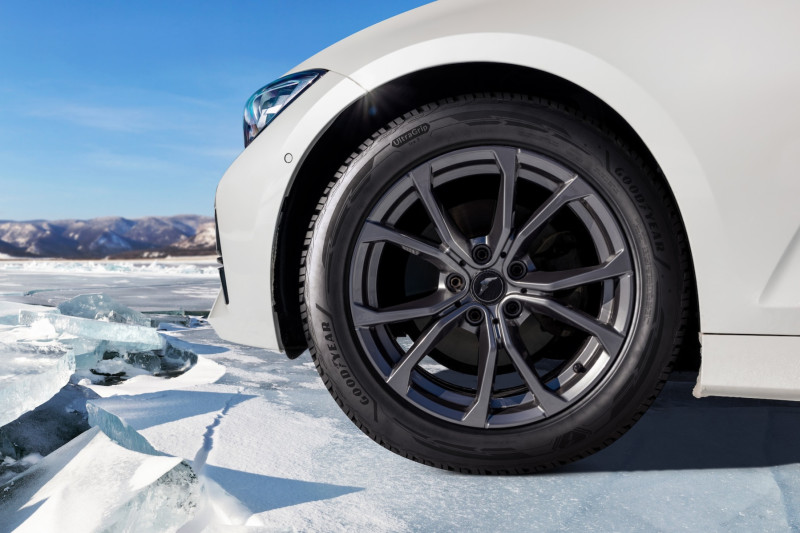
If you are due new winter tires this season, Goodyear offers an award-winning3 range to answer the needs of most European drivers. This range includes Goodyear UltraGrip Performance 3, which is now available in more sizes than ever before, especially catering to larger rims with almost 40 new sizes for 19-inch wheels and above. It has a number of innovative features like Goodyear’s Snow Protect Technology, which increases the number of gripping edges on the tire’s tread pattern to give more grip in snow, and Wet Grip+ Technology, which pushes water to the side rather than the front of the tire to reduce the risk of aquaplaning. Just like every tire in the Goodyear range, it is also EV-ready thanks to special features that reduce noise and increase efficiency.
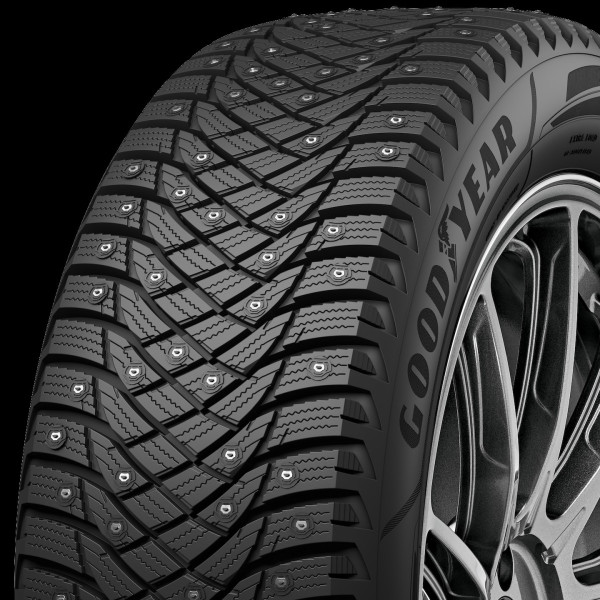
Goodyear’s winter range also includes the non-studded tire UltraGrip Ice 3 and the studded tire UltraGrip Arctic 2, especially made for Nordic winter conditions.
(1) Survey data collected in February 2024 by Ipsos on behalf of Goodyear. Sampling 4,550 drivers (650 per country). Countries surveyed: Germany, France, Italy, Sweden, Denmark, Poland, Romania.
(2) Goodyear internal evaluation based on econometric model across 24 countries in Europe: Austria, Baltics, Benelux, Bulgaria, Czech Republic, Denmark, Finland, France, Germany, Greece, Hungary, Ireland, Italy, Netherlands, Norway, Poland, Portugal, Romania, Slovakia, Slovenia, Spain, Sweden, Switzerland, UK.
(3) ADAC winter tire test 4 September 2024. Size tested: 215/55R17. Test vehicle: Volkswagen T-Roc.
Goodyear is one of the world's largest tire companies. It employs about 71,000 people and manufactures its products in 55 facilities in 22 countries around the world. Its two Innovation Centers in Akron, Ohio, and Colmar-Berg, Luxembourg, strive to develop state-of-the-art products and services that set the technology and performance standard for the industry. For more information about Goodyear and its products, go to www.goodyear.com/corporate.