


Goodyear’s winter tire maintenance 101: Expert advice for safe and long-lasting performance
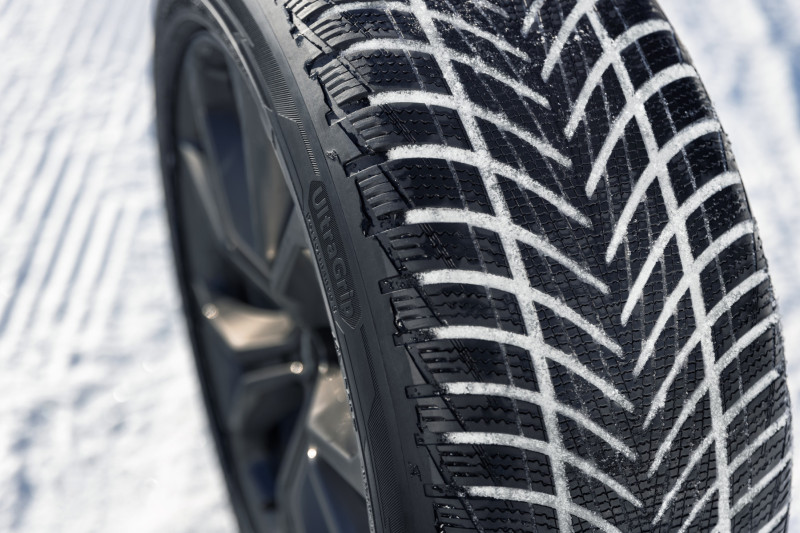
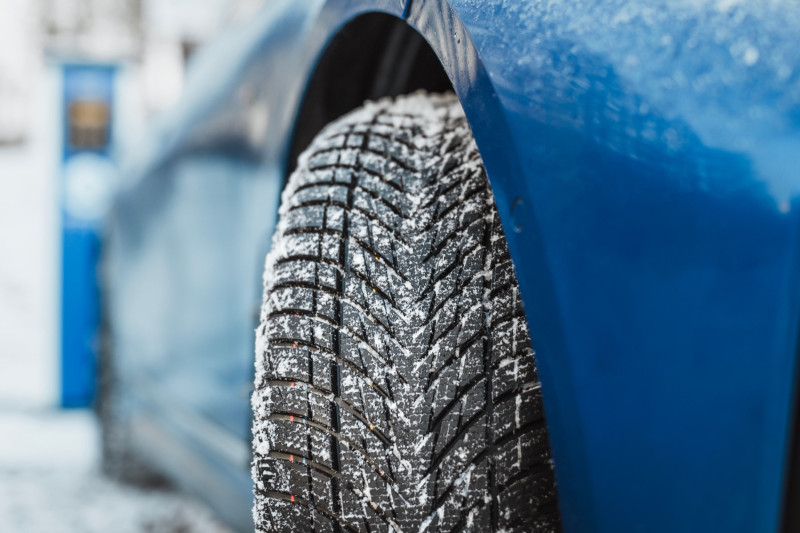
As temperatures drop and winter driving challenges increase, Goodyear is committed to supporting customers beyond their winter tire purchase. To help drivers get the most out of their tires, from seasonal storing tips to maintaining winter tires and knowing when it’s time to replace them, Goodyear has compiled its “Winter Tire Maintenance 101” guide. This is a one-stop-shop for essential tips on how to look after and get the most out of your winter tires.
How to store your tires off-season
As winter tires are only used for certain periods of the year, its essential drivers know how to maximise their lifespan and performance during the off-season by following proper cleaning and storage procedures:
- Clean before storage: Wash tires with warm, soapy water and allow them to fully dry to eliminate dirt and contaminants.
- Store in airtight bags: Place tires in opaque, airtight bags (like lawn or leaf bags) to prevent the rubber compound from drying out. Remove as much air as possible before sealing. If this is not available, alternatively store them in the dark.
- Indoor, climate-controlled environment: Tires are best stored indoors, away from sunlight, moisture, and extreme temperatures. Avoid direct contact with concrete- use a protective barrier like wood or store on commercial tire racks to prevent excess moisture build-up.
- Proper stacking: For unmounted tires, stack them sidewall to sidewall or store them individually in bags. Position tires vertically (Sidewall to the bottom).
Rotation: Maximise mileage and performance
Regular tire rotation is key to ensuring wear and extending tire life. Goodyear recommends rotating your winter tires according to your vehicle manufacturer’s guidelines, looking at the mileage your car has covered, or alternatively, at the change of every season. This process ensures that wear is distributed evenly and ensures optimal handling and safety in winter conditions.
Checking wear and when to replace
- Check tread depth: Winter tires lose effectiveness below 4mm tread depth. Inspect tread wear regularly and ensure there are no visible cracks, bulges, or embedded objects that could compromise performance.
- Use the right tire for the season: Tires should be switched to winter tires as soon as the temperature drops below 7°C (45°F). Equally, when temperatures heat up to above 7°C, replace with summer or all-season tires as the softer winter rubber will wear quickly and lose its grip in warmer weather.
- Replace old tires: If tires are heavily worn, damaged, or more than six years old, it’s time to invest in a new set for reliable winter performance.
Ben Glesener, Senior Director Technology Consumer EMEA at Goodyear, said: “Winter tires are a crucial investment for safety during cold months, but proper maintenance is key to maximising their benefits. For drivers to maintain a confident grip and control throughout the season, knowing how to store, rotate and when to replace is vital. Goodyear is dedicated to supporting our customers with expert guidance and the highest-quality winter tires designed for Europe’s toughest winter roads."
Find out more about Goodyear’s range of winter tires here and all-season tires here.